Category: Uncategorized

  • Future of Commercial Lighting in NYC: Trends from Top Consultants

    Future of Commercial Lighting in NYC: Trends from Top Consultants

    The city of New York, which changes every day with innovations and architectural designs, is constantly being transformed. Some new technologies and green standards find their way into cities, demanding the updating of commercial lighting as an apt theme in modernizing the city’s look. Lighting has surpassed illumination; it’s now more about making sustainable, efficient, and aesthetically impactful environments. Lighting plays a vital role in NYC’s commercial spaces, not only in terms of functionality but also in branding. So, here are some reasons why you must keep track of the latest trends that light up this sector.

    This blog discusses the future of commercial lighting in NYC and emphasizes some key trends as advised by top lighting consultants.

    1. Sustainability and Energy Efficiency

    Energy-efficient lighting solutions are the new priority as NYC continues to push forward toward becoming a green city and reducing its carbon footprint. How climate changes are being brought under focused attention worldwide and to what extent pressure from local governments about becoming greener is really forcing businesses to rethink their light strategy is changing commercial lighting solutions.

    LED technology is now putting the backlight on commercial properties as it possesses features that make this type of lighting possible. For one, LED lights consume much less electricity than comparable incandescent or fluorescent bulbs. They have a much longer lifespan than traditional lighting solutions, which means maintenance and replacement expenses can be dramatically brought down. Indeed, many commercial properties are retrofitting their lighting systems to meet the local standards of energy efficiency and to conserve energy use.

    commercial lighting supplies nyc

    However, smart lighting installations are also gaining momentum in office buildings, retail, and restaurants. These exploit sensors and automation for dimming according to the presence of occupancy or during fixed times for optimum energy intake and minimum wastage. Managed live lighting would result in reduced energy consumption bills and an amenable working and customer environment for employees and customers in commercial spaces.

    2. Human-Centric Lighting

    Human-centric lighting is a concern about how artificial lights should be set in accordance with the natural way of sunlight in elevating wellness, productivity, and mood. As there is growing awareness about light and its impact on health, the demand for human-centric lighting systems is increasing predominantly in workplaces.

    New York City lighting consultants, in collaboration with clients, are helping to transition toward HCL systems that simulate natural light patterns. For instance, throughout the day, color temperature changes to stimulate alertness through work hours. Still, it relaxes at the end of the day. For example, using more excellent, blue-toned morning light to stimulate productivity and warmer, softer late afternoon and evening light to prepare the body for rest.

    In addition to contributing positively to the welfare of its employees, the company can also assist retailers in striving to offer more inviting and exciting settings. Studies have revealed that adaptive lighting that imitates the natural day-to-day rhythm maximizes focus, reduces ocular strain, and adds to better mental and physical health.

    3. Smart Lighting Systems with IoT Integration

    In fact, one of the most transformative trends, where the IoT is integrated with commercial lighting systems, has taken the world by storm. Whether it’s done remotely or through data collection to set things right for specific requirements, energy, security, and ambience, smart lighting systems are enabled by IoT, enabling businesses to centrally control their lighting systems.

    Connected lighting systems in commercial spaces may be used to create dynamic on-scene lighting scenes that are uniquely targeted for different activities and events. For instance, a conference room might need bright white light for presentations but dimly warm for meetings or collaborative brainstorming sessions. Furthermore, lighting can change automatically with the time of day or the weather to maximize energy efficiency at no expense to user experience.

    On the other hand, smart lighting also provides value for retailers by informing them of their behavior. Sensors and data analytics enable businesses to determine who walks through, lingers in specific areas, and has the most interest in specific displays. This information can be used to fine-tune the placement of products and, therefore, optimize and further enhance the designs of lighting installations to meet the needs of customers.

    4. Architectural and Decorative Lighting

    Commercial space in the city of New York continues to become more design-oriented, with aesthetic appeal becoming a higher priority. Lighting for such a building area has moved from serving just a specific purpose to being an integral architectural piece.

    This occurs in restaurants, hotels, and office spaces as decorative lighting fixtures custom-designed to make bold statements and enrich the ambience with chandeliers, pendant lights, or wall sconces. Of course, they provide light, but they elicit an emotional response in the viewer or visitor, too. They can be a focal point in a design, setting the tone of the space with the overall aesthetic elevated.

    In commercial lighting, color usage is on the increase too. Warm hues in retail or vibrant colors in entertainment venues were only possible with the help of lighting consultants in getting the perfect atmosphere with an LED fixture that can produce a wide scale of colors. A change in the color temperature or hue will evoke different moods, making the space either feel more welcoming or dynamic, depending on purpose.

    5. Lighting as a Branded Element

    In New York, a competing city, lighting has always been seen as a tremendous competition tool for companies in light of dazzling their clients with beautiful spectacles. This can be done in a way that enhances the brand identity of the commercial places through immersion.

    Lighting has been an integrating aspect of many commercial places as a branding aspect. This could be achieved by using lighting designs, schemes, and effects that are uniquely suited to represent the identity and values of a particular brand. For example, a techie company would demand sleek, space-age lighting schemes with clean lines and blue tints to depict innovativeness. At the same time, an upscale restaurant would bill satisfactorily, requiring dimmed lighting with gold accents for a rich, warm ambience to dine in.

    Lighting consultants in New York City are currently being challenged to help companies determine lighting strategies that assist in branding efforts. A consultant must know the business’s mission, including who its target audience is so that they can design a lighting system that would support the brand image and create a lasting impression on its customers and employees.

    6. Automation and Control Systems

    With the increasing complexity and connectivity of commercial buildings, there is a growing demand for lighting automation and control systems. The latter enables businesses to respond to their changing lighting environment by adjusting brightness and color, power usage, and scheduling at ease.

    They are handy for large commercial buildings, office and retail complexes that require regular changes. For instance, lighting control systems can be programmed to dim in the presence of natural daylight or to turn off an area when it is unoccupied, thereby saving energy and reducing costs. Advanced control systems even allow the creation of unique lighting scenes for events or activities that maximize user comfort and satisfaction.

    commercial lighting consultant nyc

    Conclusion: A Bright Future for Commercial Lighting in NYC

    Commercial lighting will be among the drivers of change during the development and growth of this city. As the city evolves and expands, the level of excellence set by commercial lighting will not only be a national benchmark but an international model. Intelligent technologies, energy-efficient solutions, and human-centric lighting, paired with innovative design, ensure that businesses embrace cutting-edge trends to create functional, immersive, sustainable, and perfectly aligned spaces with their brand identity.

    When New York City residents gain the upper hand in staying ahead of the curve through high-calibre top lighting consultants, they can master these changes and capitalize on emerging technologies in commercial lighting in order to welcome a brighter future for NYC.

    Are you interested in updating your commercial lighting? Contact our experienced lighting consultants today at Fran-Co Electrical Supply Inc to discuss how we can assist you in creating the optimal lighting environment for your business.

  • How to Choose the Right Electronic Component Broker in NYC for Your Business Needs

    How to Choose the Right Electronic Component Broker in NYC for Your Business Needs

    Today, a rapidly evolving tech environment requires electronic-component-based businesses to partner with a trusted supplier to source high-quality parts at the right time. Partnering with an electronic component broker is truly a game-changer for several companies, especially those doing business in electronics, manufacturing, and high-tech industries.

    They assist businesses in locating difficult-to-find parts, managing supply chain disruptions, and contributing to further developed products without delays at high costs. However, the ideal electronic component broker in New York City (NYC) is relatively easy to find. Here’s what a good electronic component broker should provide for the success of your business:

    electrical distributor nyc

    1. Industry Experience and Expertise

    An experienced broker would be well-versed in the industry’s intricacies – from navigating the global supply chain to handling quality assurance standards. Indeed, it is this experience and familiarity with specific challenges that business faces while sourcing components, whether with obsolete parts, inventory problems, or price volatility.

    Look for brokers who have proven successful in your industry— in telecommunications, automotive, medical devices, or consumer electronics. The more closely they understand the particular nuances of your industry, the better the chances of getting just the kind of insights that will make it easier to deliver meaningful solutions in response to your requirements.

    For example, one having a lot of experience as a broker in the medical field would know everything about medical-grade components regulations and requirements. Similarly, somebody with a background in the automotive sector would know exactly why you would want to source highly durable and high-performance parts meeting particular standards for safety.

    2. Large Supplier Network

    The right electronic component broker should access a vast network of trusted suppliers, including authorized distributors and manufacturers. Ideally, a broker should search directly for the manufacturers in pursuit of gaining access to the new stock, authenticity, and avoiding counterfeit parts. Additionally, they must source obsolete or hard-to-find parts often required for legacy systems or ongoing product support.

    Has the broker established a good network of relationships with principal component manufacturers and distributors? An established network can benefit brokers because they can use these relationships to obtain reduced prices, quicker delivery, and priority access to popular parts. In addition, brokers with close relationships with reputable suppliers are more likely to ensure that the sourcing process remains transparent and of quality.

    electrical distributor nyc

    3. Quality assurance and testing capabilities

    Quality control becomes a non-negotiable factor when sourcing electronic components. Poor or counterfeit usage would lead to faulty products, regulatory issues, and even safety concerns that severely damage your business’s reputation and profitability.

    A dependable electronic component broker should be able to deliver transparent and robust quality assurance processes. Question the testing procedures for components, the check of parts against defects, and conformity with industry standards by the broker. Most brokers provide testing services, such as functional testing, visual inspections, and verification against certificates for the components to ensure they meet the required specifications.

    In addition, ensure the broker provides you with appropriate documentation, such as certificates of authenticity and compliance certifications that apply to the component. This means you are assured to verify the legitimacy of your components in case of an audit or inspection.

    4. Transparent Pricing and Cost Effectiveness

    Though not the only criterion for choosing a broker, price is crucial, electronic components can be very expensive, and cost control is of great importance to companies involved in the industry. A good broker must provide transparent pricing with no hidden costs or markups.

    Before finalizing your partnership, compare the prices of several brokers to ensure that the one you pick provides competitive rates. A good, reliable broker should also offer flexible payment terms and discounts for large quantities ordered and help you manage inventory to avoid overstocking and unnecessary costs.

    However, be extremely cautious with cheap brokers as the prices are, by all means, too low and probably indicate low-quality or even counterfeit parts. Always balance costs incurred with quality ascertained to achieve long-term success.

    5. Rigid Customer Service and Support

    Another key factor in selecting an electronic component broker is how good they are for customer service. Those dealing with electronics know very well that delays, miscommunication, or sourcing errors can quickly shift the whole focus of production schedules into the most unpleasant directions. What you want at such times is a responsive, reliable, and easy-to-coordinate broker when you need them whether it is urgent or an unexpected problem arises.

    The procurement process will require you to search for a broker that employs comprehensive customer service teams on standby to aid you in every step of the procurement process. This includes pre-purchase consultation services, order tracking and troubleshooting, and after-sales service. A good broker will make the ordering process easy and be a real partner who will keep the wheels turning when interrupted by supply chain disruptions, quality issues, or other last-minute changes to orders.

    In addition, there needs to be a simple way of contacting the broker by e-mail, phone, or online chat so issues can be immediately brought forward.

    electrical distributor nyc

    6. Regulatory Compliance and Certifications

    This is critical because the product has to meet many regulatory requirements in certain industries, such as medical devices, aerospace, or defense. Certain components may need specific certification requirements and non-compliance might attract severe legal and financial damages.

    Select a broker aware of the regulatory requirements applicable to your industry. The broker ought to give you all the certifications of compliance for the parts sourced and help you with the requirements that may be required legally or on an industry-specific basis.

    Ask them about ISO 9001 on quality management, RoHS on restriction of hazardous materials, and CE marking is the primary requirement for compliance in the European market.

    7. Proximity and Local Presence

    The pace at which the tech industry evolves, sometimes locality would favor yours. Having a local NYC presence can facilitate rapid response time, ease of communication, and faster delivery of parts. Having the broker near means you can be served more flexibly and promptly if necessary, especially when urgent components requirements or shipping delays must be addressed.

    Local brokers are, therefore, better placed to understand all regional supply chain challenges that may be experienced, such as interruptions caused by weather factors, customs regulations, or shipping preferences in a given locality.

    Final Thought

    The most important decision for any business in the electronics industry that relies on high-quality parts in its products is choosing the right electronic component broker. Focusing on factors such as the industry’s experience, supplier networks, quality assurance, customer service, and regulatory compliance will ensure that your broker partnership will help streamline your sourcing process, decrease risks, and support growth in your business.

    Remember to take adequate time to find and interview potential brokers, compare their services and prices, and judge their ability to meet your special business needs. With a good broker on board, your company will be able to get the components it needs on time, at competitive prices.

  • The Essential Guide to Conduit Fittings for Your Electrical Projects

    The Essential Guide to Conduit Fittings for Your Electrical Projects

    Conduit fittings are the most important parts that ensure safety, organization, and efficiency in electrical installations. Being an expert electrician or doing it yourself (DIY) at home may be very critical, for knowing what conduit fittings are makes or breaks the success of your project. In this blog post, we will learn about various types of conduit fittings, their applications, and the precautions for handling these conduits.

    Electrical Conduit Fittings

    What Is Conduit Fittings?

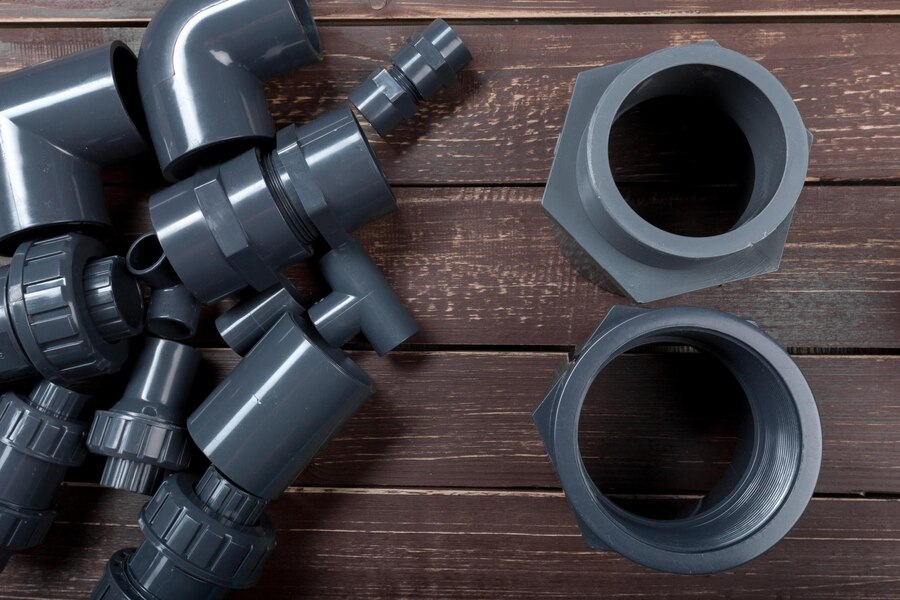
    Conduit fittings are hardware used to connect conduit lengths, carrying electrical wires and cables. They are designed to shield against injury from physical shock or damage through environmental action, ensuring electrical installations are safe and per regulation. These conduit fittings can also be applied for direction changes, transitions, and attachments to junction boxes or electric panels.

    Types of Conduit Fittings

    Conduit fittings come in different types and for other purposes. Some of the most common ones include:

    1. Connectors

    Connectors are used to connect two sections of conduit. It is constructed to make a robust and stable connection with minimal movement or disconnection in time. Common types of connectors include:

    • Set-Screw Connectors: These are fittings with screws which tighten onto the conduit to make a strong connection.
    • Compression Connectors: These are meant to seal airtight and are used in outdoor or wet applications.

    2. Elbows

    The elbows change direction for conduit runs. They come in several angles. There exists the elbow with an angle of 90 degrees and the elbow with an angle of 45 degrees. Proper angle identification may be necessary to ensure that the electric wire flow is kept intact without damage during installation.

    3. Couplings

    Couplings are used to connect two ends of the conduit end-to-end. This allows extended runs without requiring additional fittings to smoothly transition between two sections. Couplings may be either threaded or non-threaded and could be conduit-dependent.

    4. Bushings

    When used to protect a wire and enter or leave a conduit, bushings are small fittings that prevent abrasion and damage to the wires’ insulation. This usually becomes necessary when dealing with a conduit opening that has rough or sharp edges.

    Selection of electric Fittings

    Proper Selection of Fittings for Your Project

    Several aspects influence the selection of conduit fittings, including the type of conduit utilized, the area of installation, and the requirements of your electrical work. Here are some key considerations:

    1. Type of Conduit

    Rigid metal conduit, intermediate metal conduit, electrical metallic tubing, and PVC are the four types of conduit. All have their respective kind of fitting that they can use. Always match the type of conduit being worked with the fitting used.

    2. Environmental Conditions

    Consider the environment where the conduit will be installed. In cases where installation is outdoors or in damp locations, fitting is to be selected with a watertight seal at all points. Other environments also require corrosion-resistant fittings, especially those exposed to harsh chemicals or severe climatic conditions.

    3. Codes Compliance

    You must abide by the local and national building codes of the country where you plan to install, even if it is the United States. In this case, the National Electrical Code is the law. So, you must choose conduit fittings that will abide by safety standards and comply with the power requirements of your installations.

    Installation Tips on Conduit Fittings

    Accurate installation of conduit fittings gives you a safe and efficient electrical fittings system. Here are some of the tips which you should know:

    1. Manufacturer Guidelines

    Installations and torque values for set-screw and compression fittings are given on manufacturer guidelines. Recommended tools and techniques may also be available for assembly.

    2. Select the Right Tools

    The installation can go much more efficiently and faster with the proper tools. Some of the most popular ones are used with conduit fittings:

    • Benders: In flexible conduit, manufacturers usually bend. They ensure perfect bends in rigid conduit.
    • Pipe Cutters: To make clean conduit cuts.
    • Screwdrivers and Wrenches: These tighten all fittings so that they fit snugly.

    3. Compatibility Check

    The fitting types and conduit types should be compatible with one another. Mixing different fittings types will lead to weak connections and potential failures over time.

    4. Regular Inspections

    Once you have finished an electrical project, you must schedule periodic inspections of your conduit system for signs of wear, corrosion, or problems with fittings. It would be an early diagnosis that could avert more significant issues in the future.

    Conduit fittings are essential to any electrical project because they assure safety, organization, and functionality. Understanding how types of fitting differ, and their applications and proper selection and installation, can easily make or break the success of your electrical installations. This is an essential guide towards confidently leading you through conduit fittings to configure your electrical systems to be safe and compliant for years to come. Whether it is a professional electrician or a hobby DIYer, one who masters the technique of conduit fittings certainly increases expertise and enhances project success.

  • The Importance of Choosing a Reliable Obsolete Electronic Components Distributor

    The Importance of Choosing a Reliable Obsolete Electronic Components Distributor

    There is an ever-growing requirement for reliable electronic components in the fast-changing pace of technological advancements of the modern age. As manufacturers strive to keep up with the fast pace of innovation, the demand for obsolete electronic parts has picked up. Many of these components are critical to the well-being of old systems, repairing and replacing already non-existent equipment, or finishing up projects where other modern alternatives are impossible. The challenge, however, lies in finding a reliable distributor for obsolete electronic parts. Below, we will discuss why finding a reliable obsolete electronic components distributor is essential for businesses and how you should go about it.

    Obsolete Electronic Components

    Understanding Obsolete Components

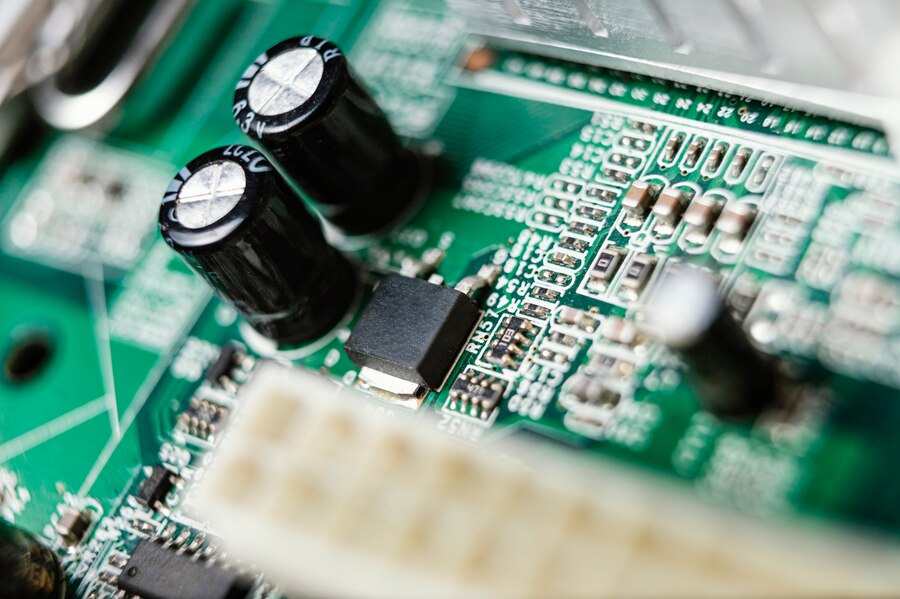
    Outdated electronic parts are items that have stopped being made or are no longer maintained by their manufacturers. The components include microchips, capacitors, resistors, and other electronic devices that have played an essential role in various applications. These components make up parts of equipment used in industries like aerospace, military, automotive, and medical devices, which are still used but not cost-effective to replace. With newer tech updates, companies often stop producing old parts, causing problems in getting products.

    Why Reliability Matters

    1. Quality Assurance

    Obsolescence is a quality-related issue. Any good distributor guarantees quality assurance; their parts are genuine and operate just as specified. Harmful or counterfeit components equal system failure, a safety risk, and will break the bank. A reliable supplier generally includes certification and test reports to see that you are getting what you are buying.

    2. Parts Availability

    Sometimes, obsolete parts are hard to come by. A good distributor should have a robust distribution network and inventory management system to source rare parts efficiently. They should have demonstrated genuine delivery records of infrequent parts and must be proactive while sourcing them. This saves you time and mitigates delays on the project when parts cannot be sourced.

    3. Technical Expertise

    Professional distributors usually have several experts who are more conversant with the technical specifications and applications of the components they are selling. Their knowledge is priceless, especially if you are unsure which parts to use with your projects. Good distributors can tell you compatibility, alternatives, and even some parts’ service lifespan and performance.

    4. Good Customer Service

    You must select a distributor known for providing excellent customer service. With obsolescent parts, there could be one-of-a-kind problems that have to be solved or the right parts to be found. When you have a good distributor who provides responsive customer support, you’ll get answers to your questions when you need help. Such support can enhance your overall experience and give you confidence in your decisions.

    5. Warranty and Return Policies

    A good distributor must provide warranty and return policies to protect your investment. If the components are outdated, returns for defective or incompatible parts might be required; a good distributor should support return policies. A distributor who will stand behind their products shows trust in their quality and is more likely to gain the customer’s confidence.

    Choose Obsolete Components Distributor

    How to Choose the Right Distributor

    1. Research and Reviews

    Make sure that you research your distributor before finalizing your choice. What do online reviews, testimonials, and case studies say about their experience? A good distributor usually has an excellent online presence and significant customer feedback who has been satisfied.

    2. Industry Experience

    Designate a distributor with experience dealing with obsolete parts. Industry exposure would lead to a better knowledge of the market and an awareness of getting rare parts.

    3. Certifications and Associations

    Ensure the distributor is certified with a quality management certification. Associations indicate validity and commitment to excellence.

    4. Inventory Transparency

    Good electrical wire component distributors should be transparent about their inventory. This includes further details regarding the parts they stock, whether new, refurbished, used, tested, or otherwise. Further, proper communication regarding stock quantities and lead time will not lead to misunderstandings.

    5. Networking Capabilities

    Evaluate their ability to source components in the market. A good network will be the big difference to procure those rare parts you need. You can ask them about their strategy in sourcing and how they handle manufacturers or other distributors.

    In an era where technology is upgraded daily, the demand for obsolete electronic components will never lose its shine. Hence, it is critical to choose a reliable distributor for these components to ensure that your projects are successful and your systems last long. Quality, availability, expertise, and customer support are all key elements that will guide you through the challenges of sourcing obsolete components. Always remember that taking time to pick the right distributor like Franco Electrical Supply will save you resources, optimize operational efficiency, and ensure success.

  • Understanding the Procurement of Electronic Parts and Components

    Understanding the Procurement of Electronic Parts and Components

    Electronic parts procurement is one of the most critical processes, ranging from consumer electronics to automotive and aerospace and many more in today’s technologically fast-paced world. The process of sourcing components is quite complex, especially with the unprecedented speed of advancement in technology and global supply chains. This blog will undo the mystery of procurement practices, key considerations, and best practices in managing electronic parts.

    Role of Procurement in Electronics

    Procurement plays a vital role in the acquisition of electronic parts and components, which companies need to produce their product efficiently and effectively. It directly affects product quality, time-to-market, and the profitability of the business enterprise as well. Given the nature of the electronics industry with rapid innovation cycles and ever-growing demands on customization, strategic procurement plays an even more pivotal role.

    Must Read: Electrical Wires Supplier NYC

    Steps Involved in the Procurement Process

    1. Identify Requirement

    Identify the specific electronic components that you need for your project. You’ll have to cooperate with other engineering teams to know technical specs and even the quantities required; make as much detail as possible in the list by indicating part numbers, descriptions, and standards for regulatory compliance.

    2. Research and Selection of Suppliers

    Now, after knowing what you need well, research potential electronic part suppliers in NYC. Identify those companies that sell electronic components and have excellent reputations in the market. While selecting one, you must consider the following issues:

    • Quality Assurance: Measure the supplier’s quality control processes and quality certifications such as ISO 9001.
    • Reliability: Assess the performance of the supplier in terms of on-time delivery and response time.
    • Technical Support: Assess whether the supplier gives technical help for any inclusion of design support or even troubleshooting.

    The preparation of a short list of potential electronic part suppliers in NYC will make it easier to select the vendor.

    3. Request for Quotation (RFQ)

    Once you have some potential electronic part suppliers in NYC, you can send an RFQ. The RFQ should contain detailed specifications, quantities, delivery timelines, and everything else needed. This will ensure that you get the best quotes for your requirements. When you start doing the final analyses of quotes, consider lead times along with terms, shipping costs, etc., apart from mere cost.

    4. Supplier Evaluation and Negotiation

    Once you have the quotes, assess each supplier against your set criteria. This includes an assessment of pricing, lead times, and other terms. It would help if you were not afraid to negotiate, and most suppliers will discuss prices and terms to seal a deal. Remember that a long-term relationship with a supplier will ideally lead to better pricing and support in the long run.

    5. Order

    Now you have selected your supplier, now it is time for ordering. Ensure that each term and condition is explicitly stipulated on the purchase order, which includes delivery schedules, payment terms, and warranty information. During this stage, it’s pretty essential to maintain open communication with your supplier in case of a problem.

    Electronic Components

    6. Receiving and Quality Inspection

    During the delivery of electronic components, inspect them in detail to ensure they meet the specifications. In this regard, it is considered a wise move to inspect them for visible damage and confirm whether the correct parts have been delivered. Implementing quality control at the component delivery stage prevents problems further down the line in production.

    Read More: Electrical Fittings Distributor

    7. Inventory Management

    After the supplies have arrived, proper inventory management is in play. These include recording usage parts, stock level, and forecasting future needs. A sound inventory management system works effectively because it helps cut costs, reduces waste, and ensures that when you need a suitable component, it is available.

    Challenges in Procurement

    Electronic parts, along with their vast array of components’ procurement, can be full of dilemmas. Some of the challenges include:

    • Supply Chain Disruptions: Global events like natural disasters or pandemics can disrupt the supply chains, which make the components unavailable on time.
    • Component Obsolescence: Technological advancements can be fast-moving, and parts become obsolete in the short term; hence, sourcing strategies need continuous changes.
    • Quality Issues: Since suppliers are often sourced from various companies, consistency in quality will always arise. Hence, there is an absolute need to verify the suppliers rigorously.

    Electronic part and Components

    Best Practices to Achieve Effective Procurement

    To overcome these issues, the best practices enunciated below will be followed:

    • Diversify Suppliers: Stop relying on a single supplier in order to eliminate supply chain disruption risks. Multiple suppliers can provide various kinds of backup and promote competition.
    • Building Strong Relationships: As supplier relationships become more powerful, there is improved communication, support, and negotiation results. Regular check-ins and open communication lend strength to these relationships.
    • Leveraging Technology: Leverage procurement software and tools that would enable automation of sourcing processes, management of an inventory of items sourced, and analysis of how suppliers are performing. This would increase efficiency and furnish valuable information for decision-making.
    • Stay Informed: Maintain an update on industry developments and technological advancements. You will be better placed to make adequately informed sourcing decisions and predict future requirements with proper knowledge of market dynamics.
    • Carry Out Periodic Reviews: Ensure that you regularly review your procurement processes, as well as the performance of your electronic part suppliers in NYC. Improvement activities based on continuous improvement activities lead to achieving higher efficiency, cost savings, and quality results.

    Understanding electronic parts and components procurement is integral to any business within today’s technology horizon. Strict adherence to a process or procedure, combined with scrutiny of suppliers, would aid organizations in critically separating the wheat from the chaff of procurement controversy and confusion. Adaptation and information will become essential as the industry further evolves to ensure competitiveness and winning product success in the marketplace. To get more information Contact Us.